Entry · Ref WJKT_BT-
What Happens If You Delay Termite Control Services?
- Posted
- 2026-11-10
- Last amended
- 2026-11-10
- Account
- @simonupza705

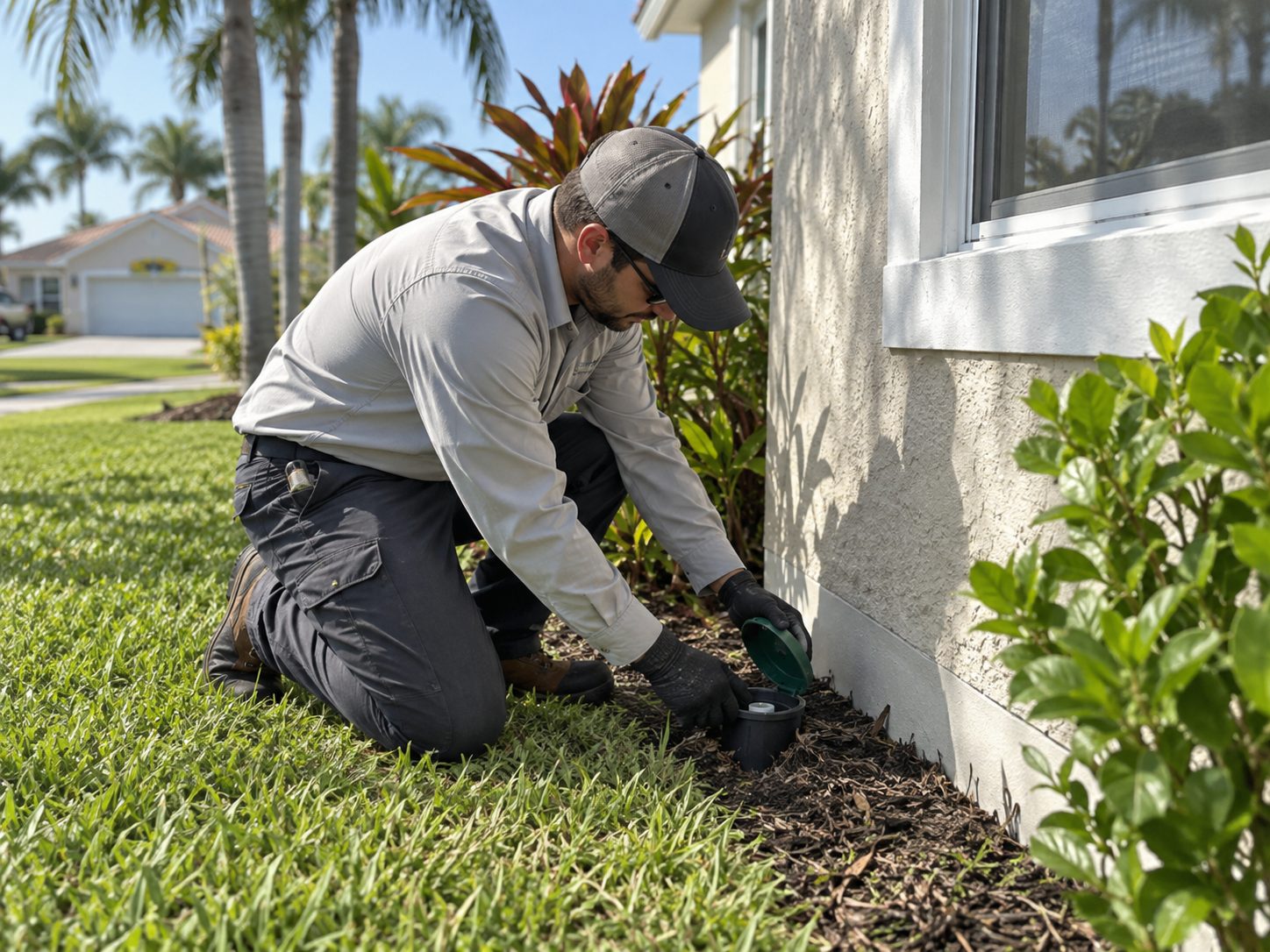
Termites rarely announce themselves in a way that feels urgent. There is no dramatic leak, no shattered window, no obvious mechanical failure that forces immediate action. What you get instead is silence. A little blistering paint. A door that starts sticking for no clear reason. A faint line of dried mud along a foundation wall. Because the signs are subtle, people often treat termite activity like a maintenance issue that can wait until next month, next season, or after a few other priorities are handled.
That delay is where the real damage begins.
In practice, termites are not just pests. They are persistent structural feeders. Once a colony gains access to wood, paper-backed drywall, framing members, subfloors, or trim, it works continuously. Unlike a one-time plumbing incident, termite damage progresses every day the insects remain active. The question is not whether delay matters. It is how much that delay will cost, how far the infestation will spread, and whether the structure will need simple treatment or more invasive repairs.
I have seen homeowners call at the first sign of trouble and limit the issue to a localized treatment and minor wood replacement. I have also seen properties where an owner noticed “a few winged bugs” in spring, ignored them, and discovered months later that the damage had extended through wall voids, floor supports, and multiple rooms. The difference between those outcomes was not bad luck. It was time.
Why delays make termite problems worse so quickly
Termites do not pause because a property owner is busy. Subterranean species, the most common concern in many regions, live in the soil and travel into a structure through cracks, expansion joints, utility penetrations, and hidden gaps. Drywood termites behave differently, nesting directly in wood, but the result is similar. They feed out of sight and expand their activity until treatment interrupts them.
What makes delayed action so risky is the hidden nature of the infestation. By the time visible signs appear, termites have often been active for months or longer. A homeowner might only notice the outward symptoms once internal galleries are already established. That means every week of delay is layered on top of an existing problem, not the beginning of one.
Wood can look intact from the surface while being heavily compromised underneath. Baseboards can seem solid until pressure causes them to crumble. Window trim can appear painted and clean while termites have consumed the softer material behind it. This mismatch between appearance and condition gives people false confidence. They think the issue is probably minor because the home still “looks fine.” The structure may not agree.
The first costs are usually invisible
Most people think first about repair bills, but the earliest cost of postponing termite control services is usually diagnostic uncertainty. Once termites spread beyond the point of origin, it becomes harder to define the full extent of activity. A localized infestation can often be inspected with relative precision. A delayed infestation may require broader probing, more invasive access, and more extensive follow-up.
That matters because treatment plans become more complex as uncertainty increases. If activity is confined to a specific zone, a provider may be able to target that area while protecting the rest of the structure. If there has been a long delay, the treatment often needs to account for multiple access points, secondary feeding areas, and concealed spread into adjacent framing.
There is also a labor cost hidden in delay. Repairs are cheaper when carpenters or contractors can remove and replace limited sections of damaged material. Once termite activity reaches structural components, labor rises sharply. Removing damaged joists, sill plates, studs, or subflooring is slower, more disruptive, and often tied to code-related work. At that stage, you are not paying only for pest treatment. You are paying for demolition, reconstruction, finishing work, and sometimes temporary relocation of furniture or occupants from affected spaces.
Structural damage is not always dramatic, but it compounds
A common misconception is that termite damage always results in floors collapsing or walls failing. Those extreme cases do happen, but most delayed infestations create a more gradual pattern of weakening. The danger lies in cumulative loss of bearing capacity and stability.
A single damaged trim board is inconvenient. A set of damaged floor joists under a bathroom or kitchen is another Termite Control Services matter. Even moderate termite feeding can reduce the integrity of wood members enough to create soft spots, sagging, misalignment, and cracking. In older homes, where framing may already have endured decades of humidity swings or prior repairs, termites can exploit existing vulnerabilities faster than owners expect.
One house I recall had no visible catastrophe at first glance. The owners complained that the dining room floor felt “spongy” near one wall. The source turned out to be a long-running subterranean termite infestation that had eaten through sections of subfloor and joist ends near a moisture-prone exterior wall. Had they acted when they first noticed mud tubes in the crawl space months earlier, the treatment would likely have been straightforward. Instead, the repair required opening the floor, sistering joists, replacing subflooring, correcting moisture issues, and coordinating pest treatment before rebuilding. The pest problem became a renovation project.
That pattern is common. Delay does not always create a disaster scene. More often, it transforms a contained pest issue into a broader construction issue.
Moisture and termites often work together
Termites and moisture problems are frequent partners. Leaky hose bibs, poor drainage, clogged gutters, damp crawl spaces, and wood-to-soil contact all make a property more inviting. When homeowners delay termite control services, they often delay correcting these underlying conditions as well.
This matters because moisture softens wood and creates favorable conditions for termite survival. It also invites fungal decay, which can further weaken structural members. In other words, once termites gain a foothold in a wet or chronically damp area, you may be dealing with two forms of deterioration at the same time: insect feeding and rot.
That combination can change the repair scope substantially. A beam damaged only by termites may be reinforced or partially replaced. A beam damaged by termites and decay often has to be removed more extensively because the surrounding wood is no longer sound. The same principle applies to window frames, porch posts, sill plates, and framing around bathrooms or utility rooms.
Professionals who inspect homes for termites pay close attention to moisture sources because treating insects without correcting moisture invites recurring conditions. Delaying service gives both problems time to deepen.
The infestation can spread far beyond the first sign
Termites do not respect room boundaries. If activity begins near a foundation wall or one section of trim, people often assume the issue is isolated there. Sometimes it is. Just as often, it is not.
Subterranean termites can move through hidden channels and expand across large sections of a structure. Drywood termites can establish multiple galleries inside separate wood components. A homeowner may notice discarded wings on a windowsill in one room while active feeding continues in another part of the home that has no visible clues at all.
This is one reason self-diagnosis can be expensive. People tend to treat the symptom they see. They spray a visible insect, scrape off a mud tube, repaint bubbled trim, or patch a cosmetic defect. None of those actions address the colony or the hidden network of feeding. By the time professional inspection occurs, the infestation may have crossed thresholds that would have been easier to manage earlier.
In delayed cases, it is not unusual to find termites in attached garages, crawl spaces, support posts, expansion joints, and interior wall lines connected to the original entry area. The longer the delay, the less likely the issue remains neatly contained.
Delaying treatment can complicate real estate transactions
Few things disrupt a home sale faster than unresolved termite findings.
If you plan to sell, refinance, or even pull permits for related repairs, a documented termite issue can become a negotiation point. Buyers tend to react strongly to wood-destroying insect reports, and not always rationally. Even modest termite activity can trigger demands for treatment documentation, damage assessment, repair estimates, and follow-up inspections. When the issue is old or extensive, the transaction may slow down or become more expensive to close.
Sellers often think they can postpone termite control services until a buyer asks. That is a risky strategy. If the infestation has progressed by the time it is discovered during escrow, you lose leverage. Repair bids are generated under deadline pressure, buyers become anxious, and minor findings start to feel bigger than they are. A known issue handled early is far easier to explain than a late-stage discovery that appears neglected.
I have seen sales where a prompt pre-listing treatment and a few targeted repairs kept negotiations calm. I have also seen deals nearly fall apart because an owner delayed addressing signs that had been visible for a year. The treatment cost was not what hurt them most. It was the uncertainty and mistrust that showed up once the buyer’s inspector documented widespread evidence.
Insurance usually will not rescue you
This surprises homeowners more often than it should. Standard homeowners insurance policies generally do not cover termite damage as a sudden accidental event. Insurers typically treat it as preventable maintenance or gradual deterioration. There are policy variations, and homeowners should read their own coverage documents carefully, but relying on insurance to absorb delayed termite damage is usually a mistake.
That means every month of postponement often translates into direct out-of-pocket exposure. Treatment, wood replacement, finish repairs, moisture correction, and inspection fees can all land on the owner. If structural engineers or specialty contractors become necessary, the financial burden grows quickly.
The hard truth is simple: termite damage is one of those property problems where delay tends to increase costs while offering very little chance of insurance relief.
The treatment itself may become more disruptive
There is a practical difference between treating an early infestation and treating one that has been left alone.
Early intervention may involve a focused inspection, localized corrective work, and a relatively straightforward treatment plan tailored to the species and structure. A delayed infestation often requires more extensive access, additional drill points, wider perimeter work, attic or crawl space evaluation, and closer coordination with contractors if damaged wood must be opened up or replaced.
For homeowners, that can mean more disruption to daily routines. Rooms may need to be cleared. Stored items may need to be moved. Access panels may be opened. Exterior landscaping near the foundation may need temporary adjustment. In some cases, wall coverings or finished surfaces are affected because the only way to properly assess damage is to expose the affected area.
None of this should scare people away from hiring professionals. It should do the opposite. Prompt action usually preserves options. Delay narrows them.
A few warning signs should never be ignored
The signs vary by region and species, but some patterns deserve immediate attention. If you notice any of the following, it is worth scheduling a professional inspection quickly:
- Mud tubes on foundation walls, piers, or crawl space surfaces
- Swarms of winged insects indoors, especially near windows or lights
- Hollow-sounding or easily damaged wood
- Bubbling paint, warped trim, or unexplained pinholes in wood surfaces
- Frass or pellet-like droppings near wooden elements, more common with drywood termites
These signs do not always confirm a severe infestation, but they do justify urgency. The goal is not to panic. It is to reduce the window in which hidden feeding continues.
Delays can lead to poor decisions, not just higher costs
There is another consequence people do not talk about enough: once the problem has been ignored for too long, property owners often make rushed choices. They accept the first bid without understanding the treatment method. They focus only on the lowest price. They patch cosmetic damage before an inspection. They hire general handymen to replace wood without confirming whether active termites are still present.
Those decisions create a second layer of problems. Cosmetic repairs can conceal evidence that technicians need to see. Cheap, incomplete treatments can fail to address colony activity. Replacing damaged boards without resolving the source can lead to reinfestation or continued hidden feeding nearby.
When people act early, they usually have time to ask better questions. What species is involved? How extensive is the activity? Is there a moisture issue contributing to the infestation? What warranties or follow-up inspections are included? Will damaged wood need structural evaluation, or is replacement mostly cosmetic? Delay compresses that decision window and makes it more likely that frustration overrides judgment.
Different structures carry different risks
Not every property responds to termite activity in the same way. A slab-on-grade home, an older crawl space house, a timber-framed addition, and a condo with limited owner control all present different challenges.
Crawl space homes can hide termite activity along sill plates, piers, and joists for long periods because access is poor and inspections are infrequent. Slab homes may show subtle signs around wall lines, expansion joints, and utility penetrations, sometimes with no obvious crawl space evidence to guide the owner. Older homes with previous repairs can be harder to read because historic damage and active damage may overlap. Multi-unit properties add another layer, since termites do not stop at ownership boundaries.
This is why delayed service becomes especially risky in buildings where visibility is limited. If you cannot easily monitor the vulnerable areas yourself, you have even less reason to postpone professional Termite Control Services evaluation.
What prompt action usually looks like
Homeowners sometimes hesitate because they imagine termite service as an immediate, large-scale ordeal. In reality, early action is often more manageable than expected. A professional inspection typically begins with identifying likely species, locating signs of activity, and determining whether the issue appears localized or widespread. From there, the provider can recommend treatment options suited to the construction type and infestation pattern.
The process often works best when the owner handles a few practical steps before the visit:
- Do not paint over, remove, or disturb visible termite evidence
- Clear access to the garage perimeter, attic hatch, crawl space entry, and utility areas
- Gather any past termite reports, repair records, or warranty paperwork
- Make note of where and when you saw swarms, wings, or damage
- Mention moisture issues such as leaks, drainage problems, or damp wood
That kind of preparation helps the inspection move faster and improves the quality of the assessment. More important, it gives the provider a better shot at distinguishing old damage from active activity, which can save time and unnecessary repair work.
Prevention is cheaper than structural repair, but it requires follow-through
One reason people delay termite control services is that treatment feels preventive until damage is obvious. That mindset is understandable but expensive. Prevention rarely produces a dramatic before-and-after moment, so it is easy to undervalue. Yet in property maintenance, the least visible work often protects the most expensive assets.
Termite management is not just a one-time reaction. It may involve monitoring, moisture control, periodic inspections, barrier maintenance, or environmental corrections around the structure. Firewood stacked against siding, mulch piled too high, leaking exterior faucets, buried wood debris, and dense vegetation near the foundation all create conditions that deserve attention. None of these factors guarantee termites, but each can tilt the odds.
The owners who spend the least over time are usually not the ones who find the cheapest treatment. They are the ones who respond early, maintain conditions that reduce risk, and keep records so future inspections are informed by history rather than guesswork.
The real price of waiting
When you delay termite service, you are not merely postponing an appointment. You are giving a wood-destroying insect more time to feed, spread, and complicate the repair picture. You increase the chance of hidden structural damage. You increase uncertainty around treatment scope. You raise the odds of moisture-related deterioration occurring alongside insect activity. You make future sales conversations harder. And you often leave yourself paying directly for damage that insurance is unlikely to cover.
The frustrating part is that many delayed cases begin with something small. A few wings on a sill. A line of mud in the crawl space. A suspicious soft spot near an exterior wall. Those early signs are exactly when termite control services provide the most value. At that stage, professionals have the best chance to define the problem clearly, stop active feeding, and keep repair work proportionate.
Termites thrive in silence and hesitation. Property owners do better with the opposite approach: clear inspection, prompt treatment, and practical follow-through. If there is a credible sign of activity, waiting rarely improves the outcome. It usually just gives the damage more time to become expensive.
Maximum Pest Control
836 NE 7th Terrace Suite #5
Cape Coral, FL 33909
+1 239-772-7363
FAQ About Termite Control Services
What are two signs of a termite infestation?
Mud tubes along a foundation and piles of shed wings near doors or windows are two signs to investigate. Mud tubes are associated with subterranean termites. A licensed inspector can identify the insect and assess whether there is active infestation.
How many years does a termite treatment last?
There is no single timeline for all treatments. The method, site conditions, and maintenance affect how long protection lasts. Bait systems rely on monitoring and service. Ask the provider for the recommended inspection schedule and the terms of any coverage.
Is Termite Treatment Expensive in Cape Coral?
Cost depends on the termite species, the size and construction of the property, the extent of activity, and the treatment method. Request a written estimate after inspection and ask whether monitoring, follow-up visits, and renewals are included.