Entry · Ref HHOXWD_Z
How Termite Control Services Prevent Costly Foundation Damage
- Posted
- 2026-11-10
- Last amended
- 2026-11-10
- Account
- @simonupza705
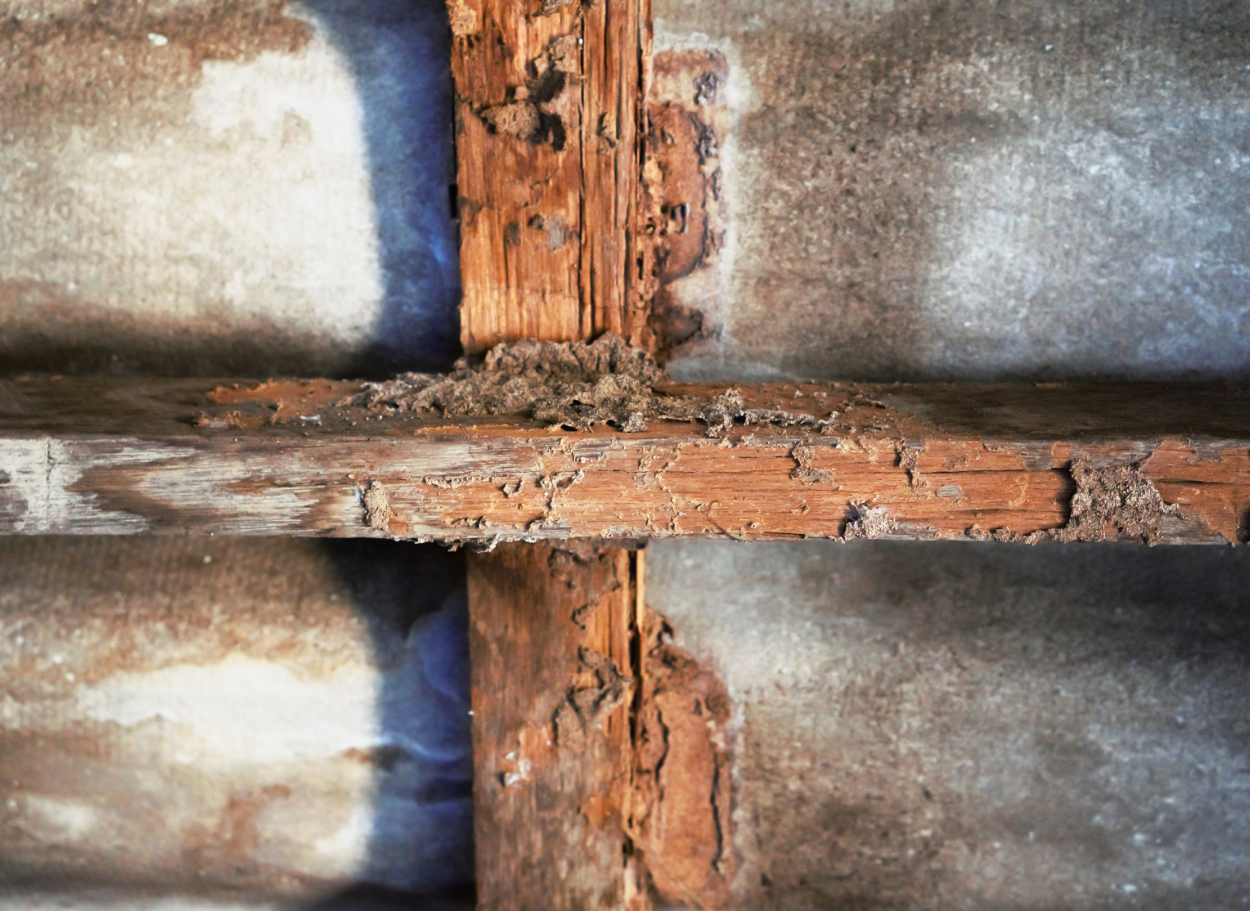
Foundation problems rarely begin with a dramatic crack across the living room floor. More often, they start quietly, behind drywall, beneath flooring, or along framing members that homeowners never see. Termites thrive in that silence. By the time the first visible symptom appears, the damage may already involve structural supports that transfer weight to the foundation system itself.
That is why termite problems are not just a pest issue. They are a building performance issue, a financial risk, and in some cases a safety concern. Professional Termite Control Services do far more than remove insects. Done properly, they interrupt the chain of damage that can move from a hidden colony to weakened framing, shifting loads, trapped moisture, and expensive repairs around the base of a home.
A lot of people assume termites only eat trim, baseboards, or maybe a deck post. In practice, the more serious concern is what happens when termites attack sill plates, floor joists, subflooring, support posts, and other wood members located where the house meets the foundation. Once those components lose strength, the structure may settle unevenly or transfer loads in ways it was never designed to handle. That is where repair bills climb fast.
Why the foundation is part of the termite conversation
Termites do not consume concrete. That leads some property owners to think foundation damage cannot really be tied to termites. The concrete itself may remain intact, but the structural system resting on it can still be compromised.
Most homes rely on a partnership between masonry and wood. Concrete footings, slabs, stem walls, piers, or block walls provide the base. Wood framing distributes the weight of the house above. The transition area between those materials is especially important. Sill plates sit directly on or near foundation walls. Floor systems span from one support point to another. In crawl spaces and basements, wood posts and beams often stand only inches away from soil or moisture sources.
Subterranean termites exploit exactly these conditions. They travel from the soil upward, often through mud tubes, and target wood that is damp, accessible, or already under mild stress. If a colony weakens a sill plate or joist end, the issue may present later as sagging floors, sticky doors, tile cracks, or gaps at walls and ceilings. Homeowners may call a foundation contractor first because the symptoms look like settling. Sometimes the contractor finds the real cause is insect damage that has altered how loads are being carried.
I have seen cases where a homeowner noticed a sloping hallway and assumed the house needed piering. What they actually needed first was termite treatment and replacement of heavily damaged framing near the crawl space perimeter. If the insect activity had been stopped earlier, the structural repair scope would have been smaller and far less costly.
How termite activity turns into structural and foundation-related expense
The financial damage from termites is rarely limited to the wood they consume. The bigger costs usually come from everything connected to that wood.
When termites hollow out joists or sill plates, those members lose their ability to resist bending and compression. Floors begin to deflect. Interior partitions can shift. Windows and doors may rack out of square. Plumbing lines can separate slightly at joints. Finishes crack. In crawl space homes, a compromised support post may settle enough to create concentrated loading on a footing or pier. In slab-on-grade homes, termites can destroy expansion joint materials, wall framing, and built-ins, while also creating hidden moisture pathways that worsen movement in surrounding materials.
Moisture plays a major role here. Many termite-prone homes already have drainage or ventilation problems. The same wet conditions that attract termites also soften soil, promote rot, and shorten the life of wood in contact with masonry. That overlap matters. A competent pest professional does not treat termites as an isolated event. They read the building. They look for where water enters, where wood is too close to grade, where mulch is piled high, and where plumbing leaks or condensation are quietly feeding both insects and decay.
This is one of the practical differences between buying a can of over-the-counter pesticide and hiring a trained company. The former attacks a symptom. The latter can help protect the structure.
What professional Termite Control Services actually do
Good termite work starts with inspection, not product application. A technician should identify the termite species involved, the areas of activity, likely entry points, environmental conditions that support infestation, and whether visible damage suggests a need for further structural evaluation.
Subterranean termites are the most common threat in many regions, and they typically require a treatment plan focused on the soil and the building envelope. Drywood termites behave differently and may call for localized treatment, whole-structure methods, or direct wood applications depending on the extent of infestation.
Professional Termite Control Services generally protect a home in three ways. First, they eliminate or suppress active colonies. Second, they create a treated zone or barrier that reduces future entry. Third, they identify and help correct conditions that make the property vulnerable in the first place.
The details matter. Soil treatments require proper trenching, drilling, and product placement at measured rates. Baiting systems require strategic installation and ongoing monitoring. Wood treatments require access, accurate targeting, and a realistic understanding of what those products can and cannot do. A rushed treatment may kill visible termites while leaving hidden pathways active along another section of the foundation.
The inspection stage is where expensive mistakes are avoided
A thorough termite inspection often reveals more than insect activity. It exposes the building conditions that allow damage to spread.
In crawl spaces, seasoned technicians pay close attention to the inside face of foundation walls, support piers, joist ends, duct condensation, plumbing penetrations, and debris left on the soil. In basements, they check expansion joints, framing contact points, utility entries, and finished areas where tubes can be hidden behind insulation or paneling. Around slabs, they examine garage edges, patio connections, bath traps, and cracks or cold joints that give termites cover.
Some of the most useful inspection findings have nothing to do with live termites. A moisture meter may show persistently damp wood. A probe may reveal hollow sill material beneath intact paint. A stained section of drywall near the base of a wall can point to a leak that has been drawing pests for months. Catching those conditions early can stop a structural problem before it affects the foundation system more broadly.
Homeowners often ask whether they really need annual inspections if no termites are visible. In many cases, yes. Termites are stealth pests. By design, you do not see them until they have already been active for some time. A yearly inspection costs very little compared with replacing rim joists, sistering floor framing, repairing subfloors, and stabilizing settlement-related damage.
Early warning signs worth taking seriously
Some clues are subtle enough to dismiss, especially in older homes where a little unevenness already exists. Those are often the properties where termite damage lingers longest.
- Pencil-width mud tubes climbing foundation walls, piers, or slab edges
- Soft, blistered, or hollow-sounding wood near the base of walls or floors
- Doors and windows that suddenly stick without an obvious humidity explanation
- Sagging floors, loose tiles, or cracks that keep reopening after patching
- Swarms of winged insects indoors, especially near light or window frames
One sign alone does not confirm major structural damage, but each one justifies a closer look. The key is timing. The earlier a professional assesses the problem, the more options exist to contain it without invasive repair work.
Why DIY treatment often fails at the foundation line
Do-it-yourself termite products can be useful for minor ant issues or spot pest control, but termites are a different category. Their colonies are hidden, their pathways are protected, and their interaction with the structure is too important to guess at.
A common mistake is spraying visible mud tubes and assuming the job is done. The tubes are only the commute, not the city. If the colony remains active in soil or within concealed voids, workers will simply reroute. Another mistake is applying product unevenly around the exterior. A treatment gap of even a few feet can become the exact point where termites continue to enter along the foundation.
There is also the structural judgment piece. A homeowner may notice damaged trim and miss the fact that the joist directly below has been compromised. Or they may focus on replacing visibly damaged wood before the colony is controlled, which can amount to installing fresh lumber into an active feeding zone.
Professional technicians are not structural engineers, but experienced ones know when damage patterns suggest more than cosmetic loss. The best companies will recommend a contractor or engineer when floor levels, support members, or foundation interfaces raise concern. That handoff can save a homeowner from patching symptoms while the underlying problem grows.
Treatment methods that help protect the structure
No single method fits every home. The right approach depends on construction type, soil conditions, infestation pattern, and local regulations.
Liquid soil treatments remain one of the most reliable defenses for subterranean termites. When correctly applied along the foundation perimeter and at key penetration points, they create a continuous treated zone that termites cannot cross without exposure. This is especially important for homes where termites are entering at multiple hidden points rather than through one obvious area.
Baiting systems offer a different strategy. Stations installed in the soil attract foraging termites, which then carry active material back to the colony. Baits can work very well, particularly where trenching or drilling is limited, but they demand patience and monitoring. They are not a set-it-and-forget-it solution. A homeowner who chooses a bait system should understand that service quality matters because neglected stations do not provide meaningful Termite Control Services protection.
Wood treatments can add value in specific locations such as crawl spaces, attics with localized drywood activity, or accessible framing that has shown prior infestation. Borate-based products, for example, can make untreated wood less vulnerable when applied correctly. Still, wood treatment alone is rarely enough for subterranean termite prevention at the foundation.
In some properties, the strongest plan is layered: soil treatment for immediate perimeter defense, correction of moisture and grading problems, removal of wood-to-soil contact, and a monitoring program going forward. That kind of integrated approach is what tends to keep repair bills down over the long term.
Moisture control is one of the most effective forms of termite prevention
If I had to point to the most overlooked contributor to termite risk, it would be moisture. Wet wood is easier for termites to exploit, and damp environments help colonies remain active near the structure.
This is where pest control overlaps with basic building maintenance. Overflowing gutters, short downspouts, negative grading, leaking hose bibs, poor crawl space ventilation, plumbing drips, and condensate discharge near the foundation all raise the odds of infestation. The same conditions can also contribute to soil movement and foundation stress independent of termites.
That overlap is why strong Termite Control Services often include practical recommendations that seem almost mundane. Extend downspouts. Lower mulch depth near the siding. Repair the crawl space leak. Remove scrap lumber stored against the wall. Create proper clearance between soil and wood siding. These are not glamorous upgrades, but they materially reduce risk.
A homeowner once spent several thousand dollars replacing damaged joists, only to skip the drainage work that had contributed to the problem. Two years later, the crawl space was damp again, and termite activity returned near a different section of the perimeter. The repair had been real, but the prevention was incomplete.
The hidden cost of delayed action
Many people wait because the visible damage appears minor. That hesitation is understandable. Pest treatment feels elective when the house still looks fine from above. The trouble is that termites do not charge on a simple timeline. A colony may remain concentrated in one accessible area for months, then spread into multiple structural members that are far more expensive to access and replace.
Repair costs climb in layers. First comes treatment. Then demolition to expose damaged areas. Then replacement of framing or subfloor. Then possible leveling or shimming. Then finish repairs like flooring, drywall, trim, and paint. If moisture issues are involved, add drainage corrections, vapor barriers, or ventilation changes. What could have been a preventive service visit turns into a multi-trade project.
Foundation-related symptoms also trigger the wrong repairs when termites are missed. Homeowners may pay for cosmetic crack patching, door adjustments, or floor leveling compounds without addressing the structural member that actually lost capacity. That kind of sequence wastes money and delays the real fix.
What a good service plan looks like over time
Termite prevention is not a one-day event. The strongest results come from a service plan that matches the property and continues after the initial treatment.
A practical long-term approach usually includes the following:
- A detailed initial inspection with notes on activity, damage, and conducive conditions
- Treatment matched to the termite type and the home’s construction
- Follow-up visits to confirm the treatment is performing as intended
- Annual inspections, even when no new activity is visible
- Clear homeowner guidance on drainage, storage, landscaping, and maintenance
That last point matters more than many companies admit. Homeowners need understandable advice, not vague warnings. If a technician says, “You’ve got too much cellulose around the perimeter,” that may be technically accurate and completely unhelpful. If they say, “These wood planters and the thick mulch bed are bridging the inspection zone and holding moisture against the wall,” the owner can act on it.
Choosing a termite company with structural awareness
Not every pest company is equally thorough. Some are excellent at routine maintenance but less skilled at identifying the building conditions that allow termites to affect framing near the foundation. When comparing providers, experience with your home type matters. A company that mostly services newer slab homes may not be the best fit for an older crawl space house with moisture history and layered repairs.
Ask how they inspect foundation interfaces. Ask whether they document conducive conditions with photos. Ask what treatment limitations they anticipate if there are patios, porches, finished basements, foam insulation, or inaccessible voids. Ask how they handle follow-up if damage suggests a contractor or engineer should evaluate the structure.
The best answers are usually specific. A knowledgeable professional might explain where drill access is needed at an attached slab, how expansion joints are treated, or why a particular bait layout suits your lot better than a liquid trench around one side only. Vague confidence is Termite Control Services not enough when the issue sits under your house.
Older homes, additions, and edge cases
Some properties deserve extra caution because their construction creates more opportunities for concealed termite entry.
Older homes with mixed materials are high on that list. A stone foundation with later framing repairs, for example, may include hidden pockets, sistered joists, and buried debris from prior work. Additions can be another trouble spot because the joint where old and new construction meet often has changes in slab elevation, flashing, or drainage. Termites like transitions. Buildings do too, and sometimes not for the better.
Homes with finished basements present a separate challenge. The walls may look perfect while activity continues behind paneling or insulation. In these cases, periodic inspection access becomes especially important. Without it, infestations can advance until the symptoms reach flooring or trim upstairs.
Even landscaping can create edge cases. Thick ground cover, stacked stone borders, irrigation overspray, and heavy decorative mulch can all obscure the lower wall area where mud tubes first appear. From the street, the house looks polished. From a termite standpoint, it may be difficult to inspect.
Prevention costs less than reconstruction
There is no realistic version of termite damage that becomes cheaper by being ignored. The cost equation is simple even when exact numbers vary by region. Inspections are relatively modest. Preventive treatment is more substantial but still predictable. Structural repair after long-term damage is where budgets get punished.
That is especially true once foundation-adjacent framing is involved. Replacing a few feet of baseboard is manageable. Replacing sill plates, repairing joist ends, jacking sections of floor, correcting support points, and restoring finishes is a very different conversation. Add moisture correction and you are no longer paying for pest control. You are paying to reassemble part of the house.
Professional Termite Control Services prevent those outcomes by acting early, treating thoroughly, and keeping pressure on the conditions that invite reinfestation. The value is not just in killing termites. It is in preserving the load paths, materials, and dry conditions that keep a house stable from the ground up.
For homeowners, that means thinking beyond the insect itself. A termite issue near the foundation is never just about bugs in wood. It is about what happens to the structure if they are allowed to keep feeding in the one area where small losses can trigger very expensive consequences.
Maximum Pest Control
836 NE 7th Terrace Suite #5
Cape Coral, FL 33909
+1 239-772-7363
FAQ About Termite Control Services
What are two signs of a termite infestation?
Mud tubes along a foundation and piles of shed wings near doors or windows are two signs to investigate. Mud tubes are associated with subterranean termites. A licensed inspector can identify the insect and assess whether there is active infestation.
How many years does a termite treatment last?
There is no single timeline for all treatments. The method, site conditions, and maintenance affect how long protection lasts. Bait systems rely on monitoring and service. Ask the provider for the recommended inspection schedule and the terms of any coverage.
Is Termite Treatment Expensive in Cape Coral?
Cost depends on the termite species, the size and construction of the property, the extent of activity, and the treatment method. Request a written estimate after inspection and ask whether monitoring, follow-up visits, and renewals are included.